CỔNG THÔNG TIN DINH DƯỠNG QUỐC GIA
VIETNAM NUTRITIONAL PORTAL
VIETNAM NUTRITIONAL PORTAL
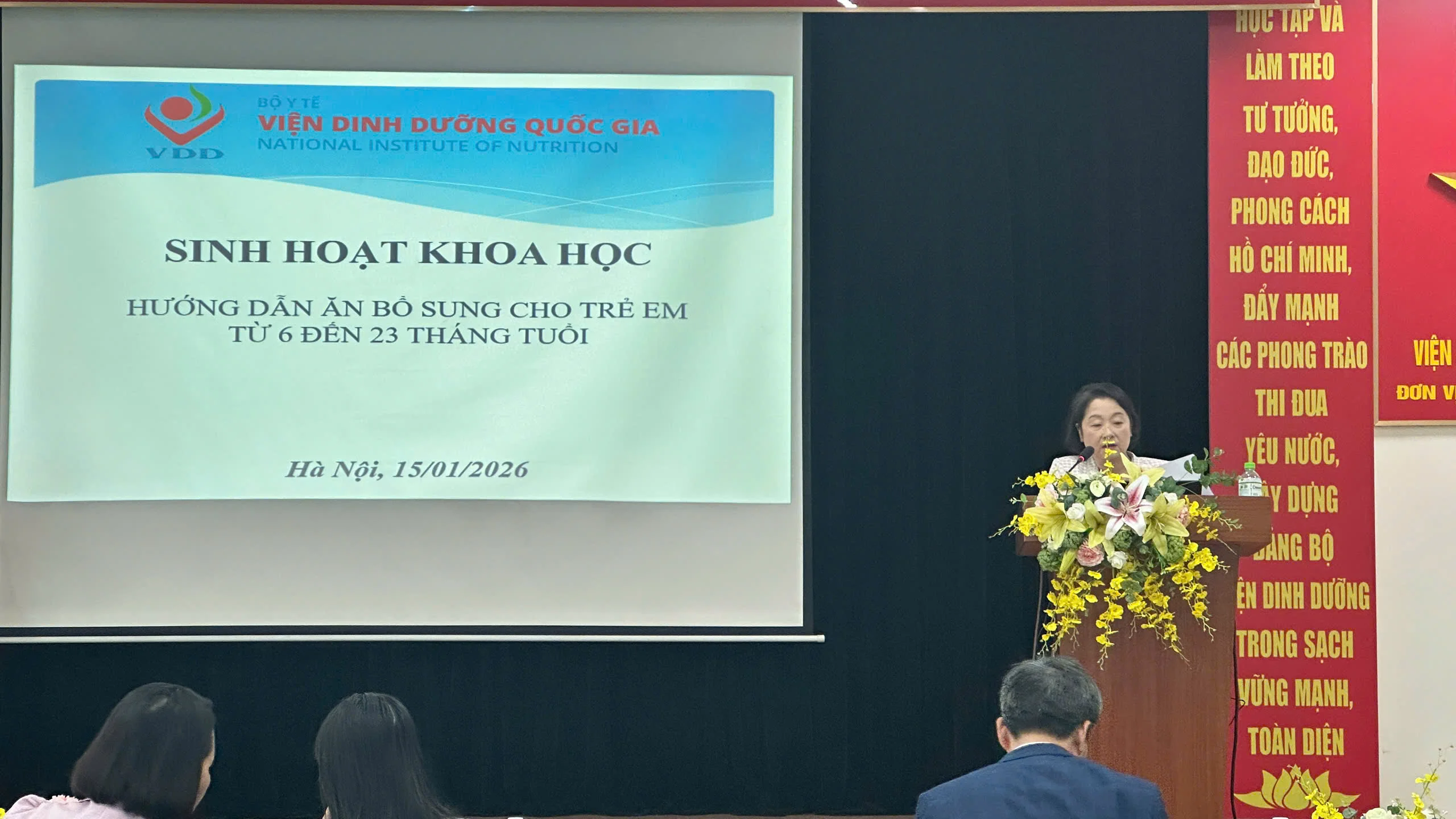
The period from 6 to 23 months of age is widely regarded as a “golden window of opportunity” for physical growth, cognitive development, and the establishment of long-term eating behaviors in children. At the same time, this is also a stage when children are particularly vulnerable to undernutrition, micronutrient deficiencies, and overweight or obesity if complementary feeding practices are inappropriate. In this context, on the afternoon of January 15, 2026, at Tu Giay Hall, the National Institute of Nutrition organized the January Scientific Seminar under the theme “Complementary Feeding for Children Aged 6–23 Months,” aiming to update scientific evidence and discuss the draft Complementary Feeding Guidelines for 2026. Participants included staff of the National Institute of Nutrition; representatives from the Tay Nguyen Institute of Hygiene and Epidemiology, the Nha Trang Pasteur Institute, and the Ho Chi Minh City Institute of Public Health; as well as several international organizations working in the field of nutrition.
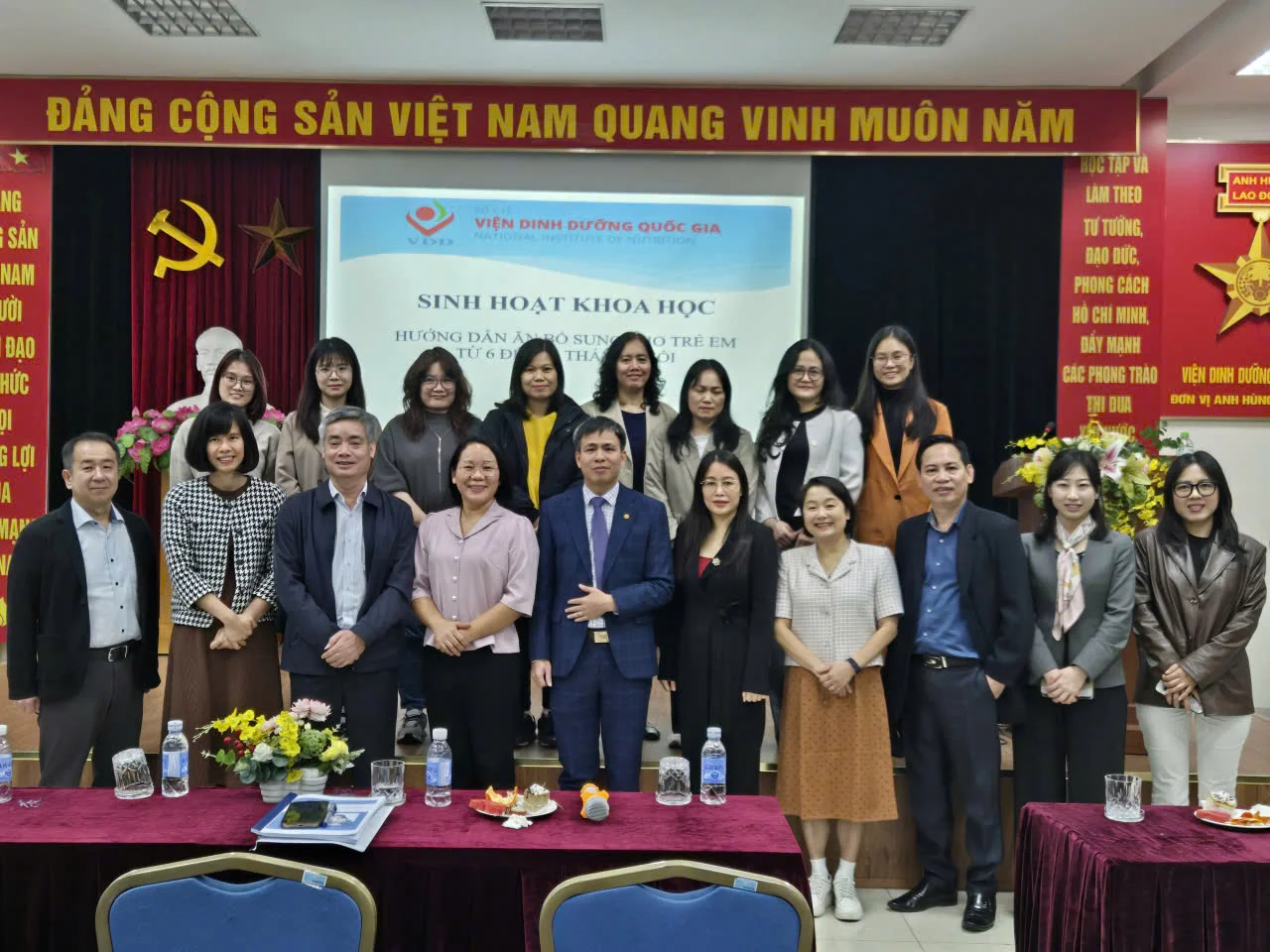
Representatives of the organizing committee and guests attending the January scientific seminar.
At the seminar, PhD. Huynh Nam Phuong presented an overview of the draft Complementary Feeding Guidelines for children aged 6–23 months, which were developed based on updated recommendations from the World Health Organization (WHO), UNICEF, and international scientific evidence. The draft emphasizes the critical role of complementary feeding in the context of Viet Nam simultaneously facing a triple burden of malnutrition—undernutrition, micronutrient deficiencies, and overweight/obesity—with the 6–23-month age period identified as a high-risk stage. Accordingly, the guidelines call for timely, adequate, diverse, nutritionally dense, and safe complementary feeding practices that are appropriate to children’s physiological development and psychomotor skills.
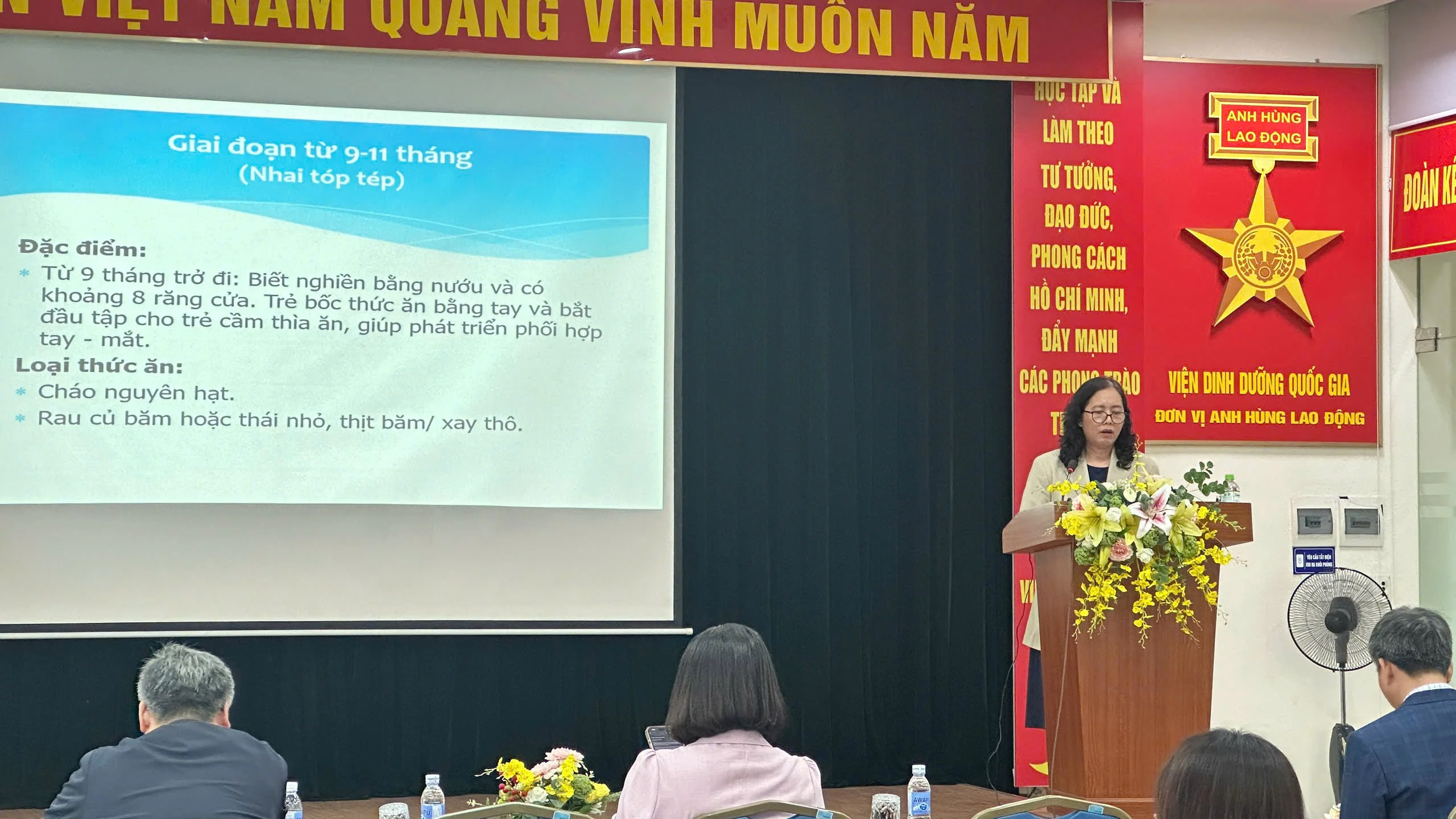
Clarifying the scientific basis for these recommendations, Assoc. Prof. PhD. Nguyen Trong Hung analyzed growth and developmental characteristics of children aged 6–23 months, including rapid gains in height and weight, development of the skeletal and digestive systems, and the gradual maturation of gross and fine motor skills as well as eating-related behaviors. This period marks the transition from exclusive milk feeding to solid foods, during which chewing and swallowing abilities and foundational eating habits are formed. Inappropriate complementary feeding practices at different developmental stages may have long-term consequences for both physical growth and eating behaviors.
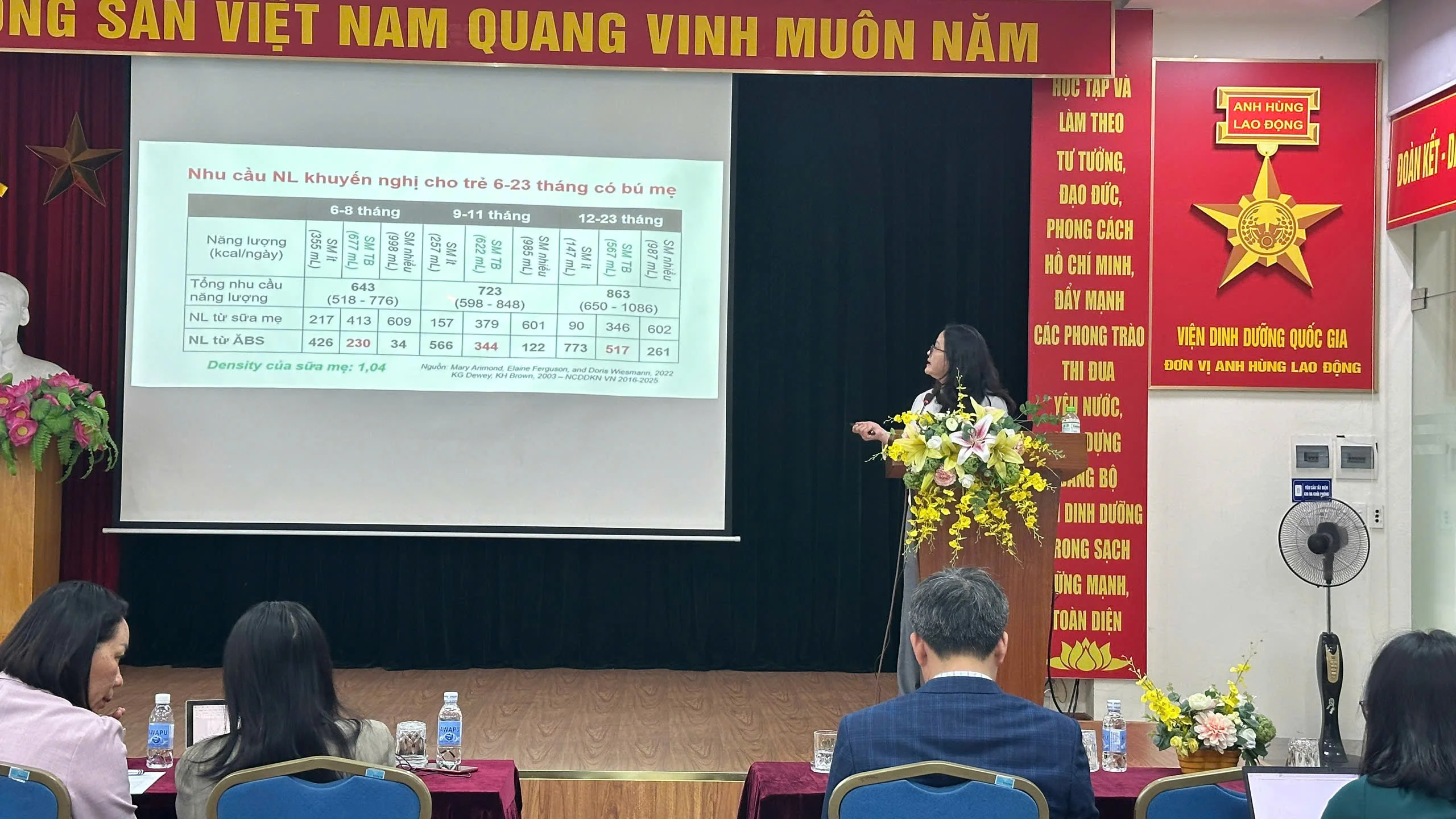
Issues related to nutritional requirements during the complementary feeding period were presented by PhD. Hoang Thu Nga, based on a synthesis of current scientific evidence and existing recommendations. The presentation highlighted that children’s needs for energy, protein, fat, vitamins, minerals, and water vary by age and breastfeeding status, underscoring the need for age-appropriate complementary diets that both meet nutritional requirements and minimize the risk of micronutrient deficiencies or excesses.
In addition to meeting nutritional needs, food safety in complementary feeding was emphasized by MSc. Ngo Thi Ha Phuong, as a particularly critical factor in early life when children’s digestive systems are still immature. The presentation focused on food selection, preparation, and storage to ensure safety and reduce nutrient losses. It also stressed the importance of good hygiene practices during feeding—from utensils and eating environments to caregivers’ personal hygiene—as well as guidance on reading and understanding nutrition labels on complementary food products, including ingredients, nutritional values, intended use, expiry dates, and allergen warnings, to support safe and appropriate product choices for children.
Regarding food preparation, MSc. Phi Ngoc Quyen shared basic principles to help preserve the nutritional value of complementary meals, such as selecting fresh and diverse foods, preparing foods according to children’s chewing and swallowing abilities, avoiding overcooking that leads to micronutrient losses, and combining food groups appropriately to enhance dietary nutrient density.
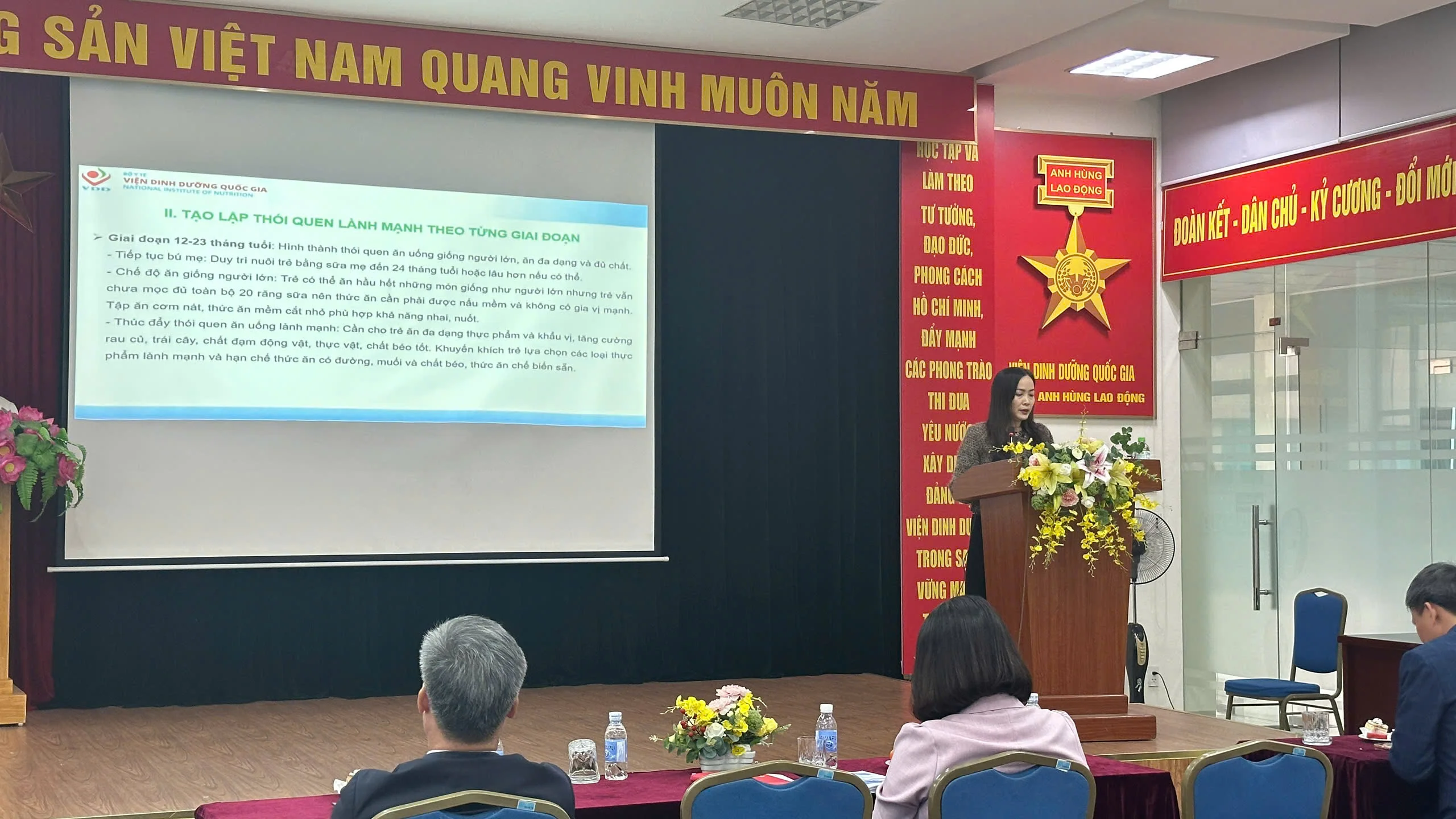
From a behavioral nutrition perspective, MSc, Ngo Thi Thu Huyen focused on supporting the development of healthy eating habits in children, highlighting the central role of families in creating a positive feeding environment. The presentation addressed age-appropriate feeding practices from the introduction of complementary foods to the gradual adoption of family diets, and pointed out common mistakes such as force-feeding, early use of seasonings, limited food diversity, or allowing screen use during meals.
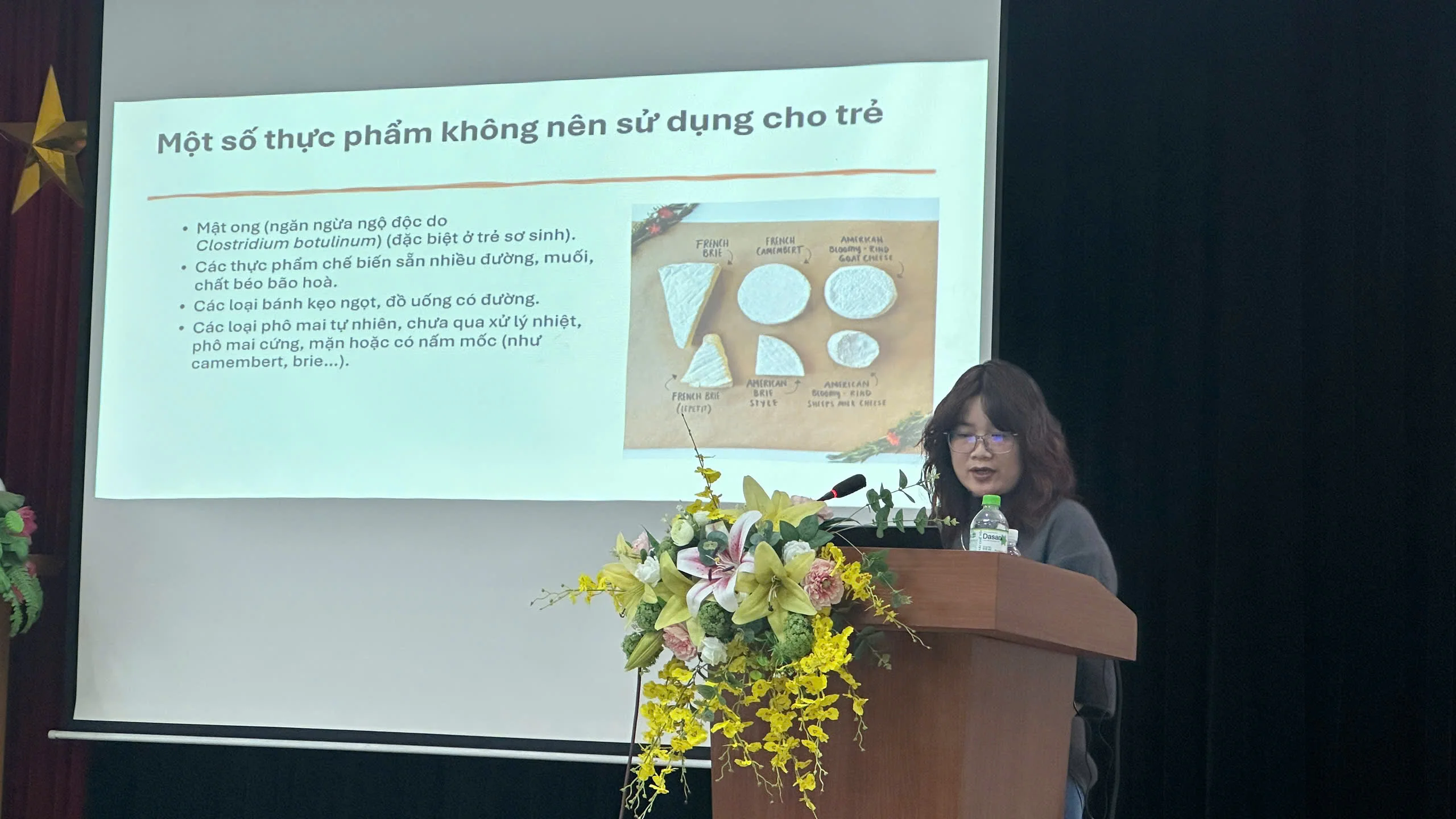
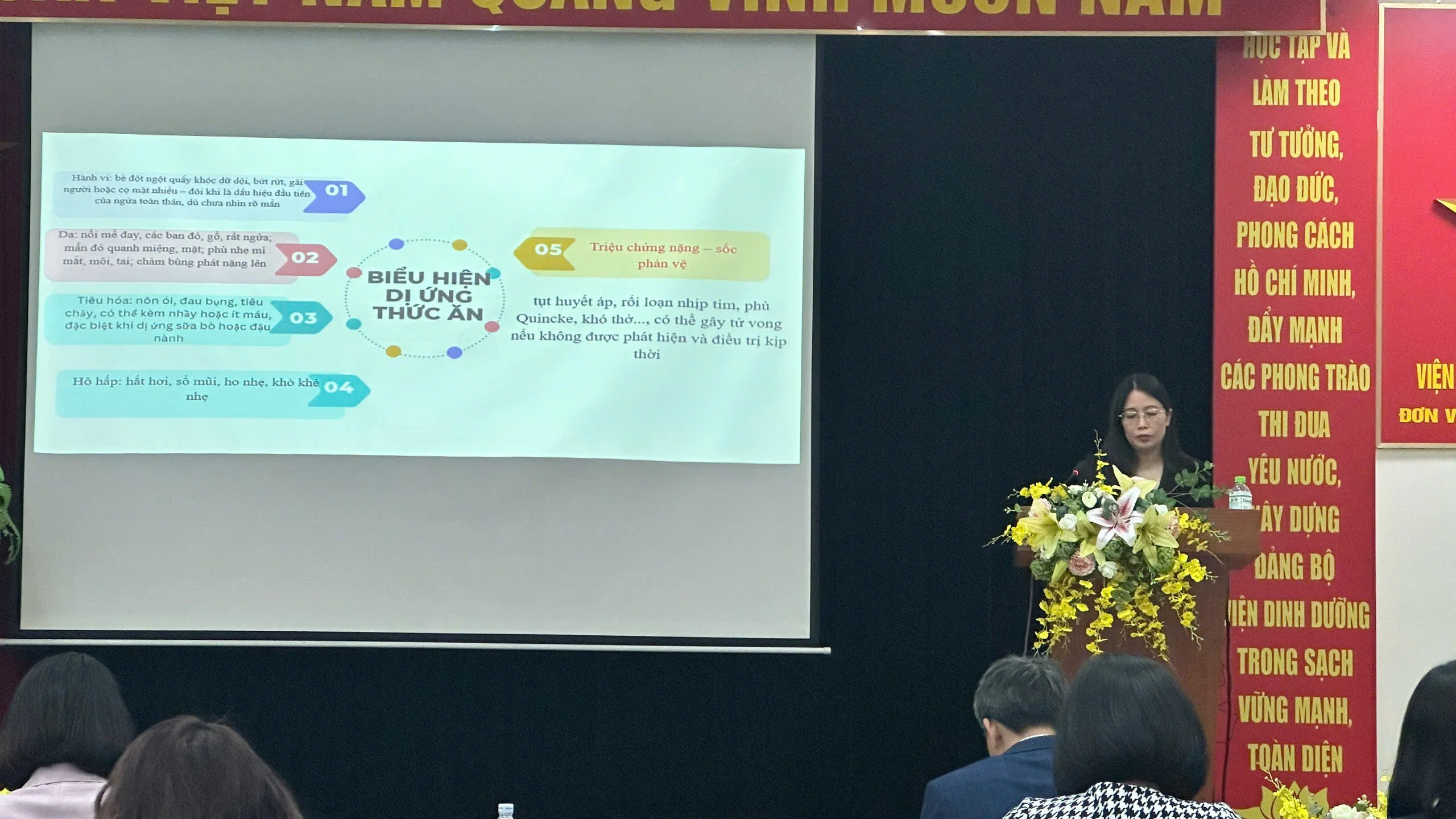
In addition, PhD. Nguyen Thi Luong Hanh presented content related to the prevention of food allergies and picky eating in children, emphasizing appropriate introduction of new foods, monitoring children’s responses, and adopting responsive feeding practices. Recommendations focused on early identification of allergic reactions, avoiding unnecessary food restrictions, and preventing picky eating by promoting healthy eating habits, respecting children’s hunger and satiety cues, and maintaining a positive mealtime atmosphere.
The January Scientific Seminar served as an important professional forum for health professionals to exchange views, align perspectives, and contribute feedback to the Complementary Feeding Guidelines 2026, thereby supporting the refinement of technical guidance for counseling, care, and improvement of nutritional status among children aged 6–23 months.
Some photos of the scientific seminar:
|
|
|
|
|
|
|
|
|
|
|
|