

CỔNG THÔNG TIN DINH DƯỠNG QUỐC GIA
VIETNAM NUTRITIONAL PORTAL
VIETNAM NUTRITIONAL PORTAL
On November 12, 2025, in Hanoi, the National Institute of Nutrition (Ministry of Health), in collaboration with UNICEF Viet Nam and Alive & Thrive (A&T), organized the Scientific Seminar on “Rapid Assessment Results and Resource Mobilization for Emergency Nutrition Response in Disaster-Affected Provinces.” The seminar aimed to share findings from the post-disaster rapid assessment, discuss nutrition intervention plans in emergency situations, and mobilize resources to support women and children in localities severely affected by Typhoon No.10 and Typhoon No.11 in 2025.
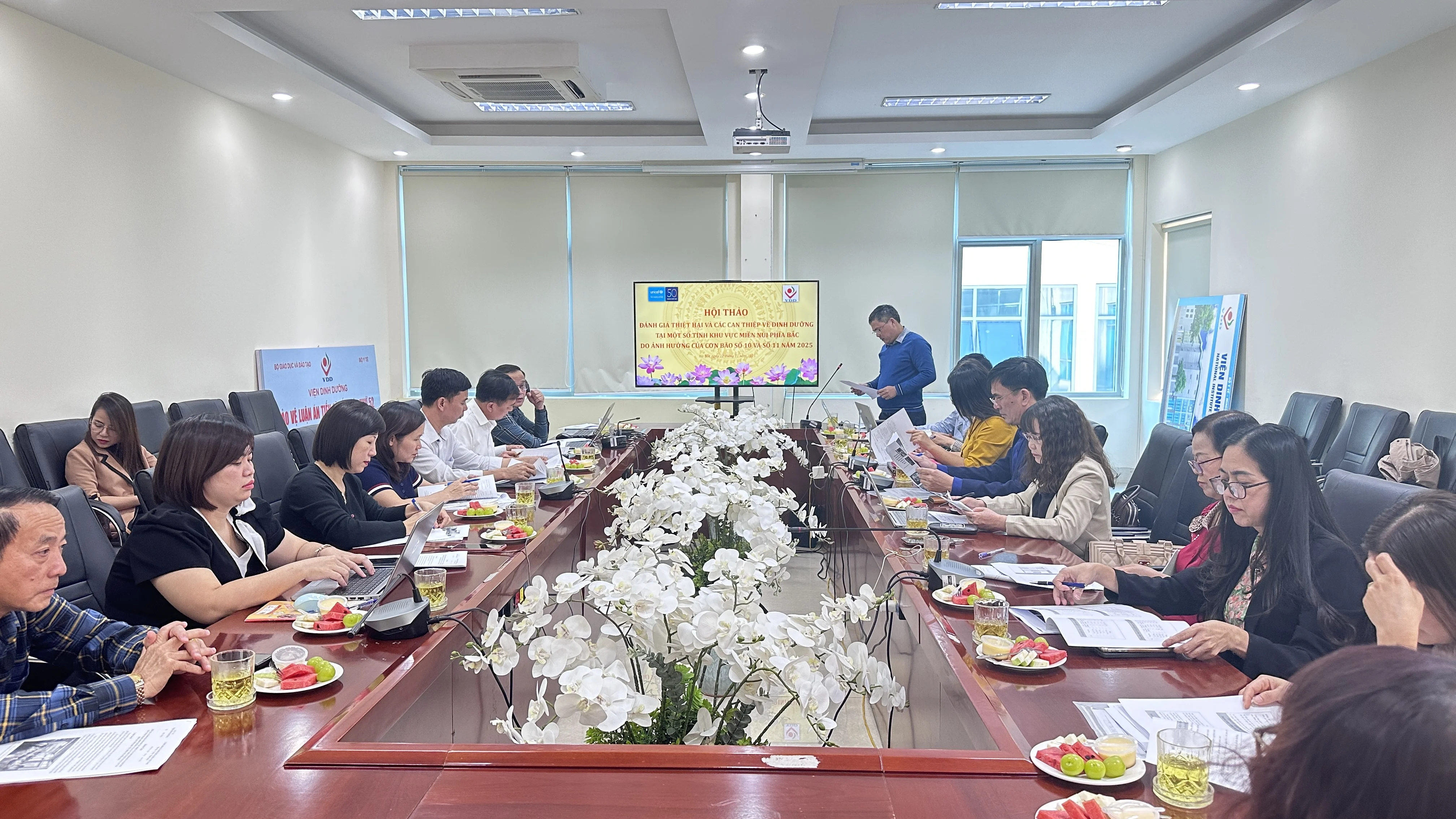
In her opening remarks, Assoc. Prof. Dr. Truong Tuyet Mai – Deputy Director of the National Institute of Nutrition, stated that Typhoons No.10 and No.11 had caused severe damage to lives and property, especially in northern mountainous areas where the proportion of ethnic minorities is high and primary healthcare systems remain limited.
“Natural disasters not only cause immediate loss but also leave silent and long-term impacts on community health, particularly among women and children. Many nutrition-related consequences only appear weeks or months later, when people begin to run out of food, clean water, and basic health services,” emphasized Dr. Mai.
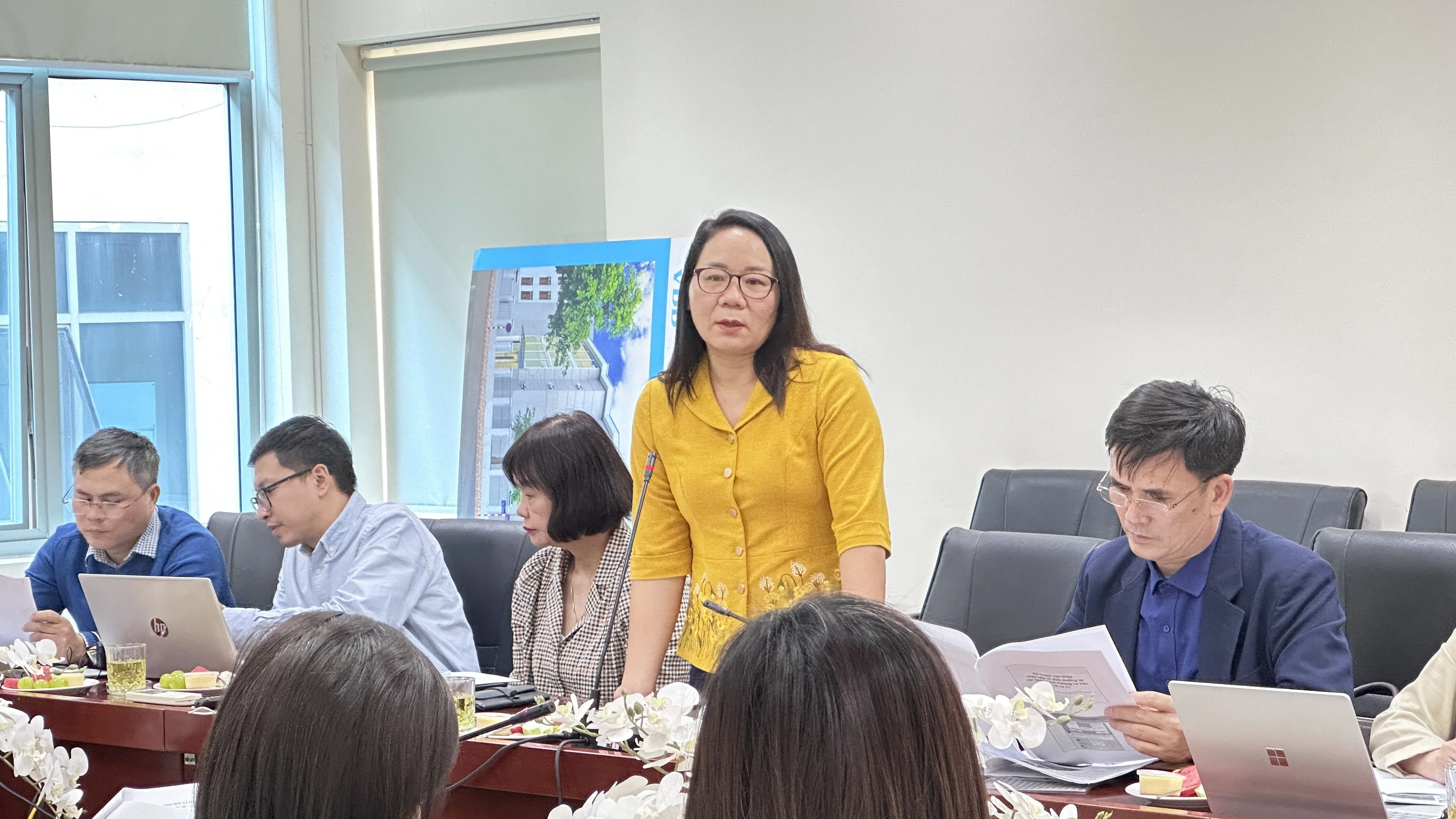
She noted that the National Institute of Nutrition, in collaboration with UNICEF and A&T, conducted a rapid assessment from October 27 to 31, 2025 in five severely affected provinces—Thai Nguyen, Bac Ninh, Tuyen Quang, Lang Son, and Cao Bang—to assess the impact of disasters on the nutritional status of women and children, review ongoing response activities, draw lessons, and propose timely support plans.
Presenting the assessment findings, Dr. Nguyen Duy Son – National Institute of Nutrition, reported that more than 1.56 million people were affected by the storms, including 6,568 pregnant women and 115,406 children under five years old who belong to high-risk groups. In many areas, health facilities were damaged, transportation disrupted, and food and water supplies interrupted. Several remote communes recorded children showing signs of acute malnutrition and micronutrient deficiencies.
After the storms, the risk of acute malnutrition and stunting is expected to increase due to food insecurity, poor environmental conditions, and limited childcare services. Indicators related to breastfeeding practices, household food security, and access to clean water have all significantly declined following the disasters. Dr. Son emphasized: “The disasters disrupted nutrition support systems, reduced access to essential health services, and placed vulnerable groups at even higher risk.”
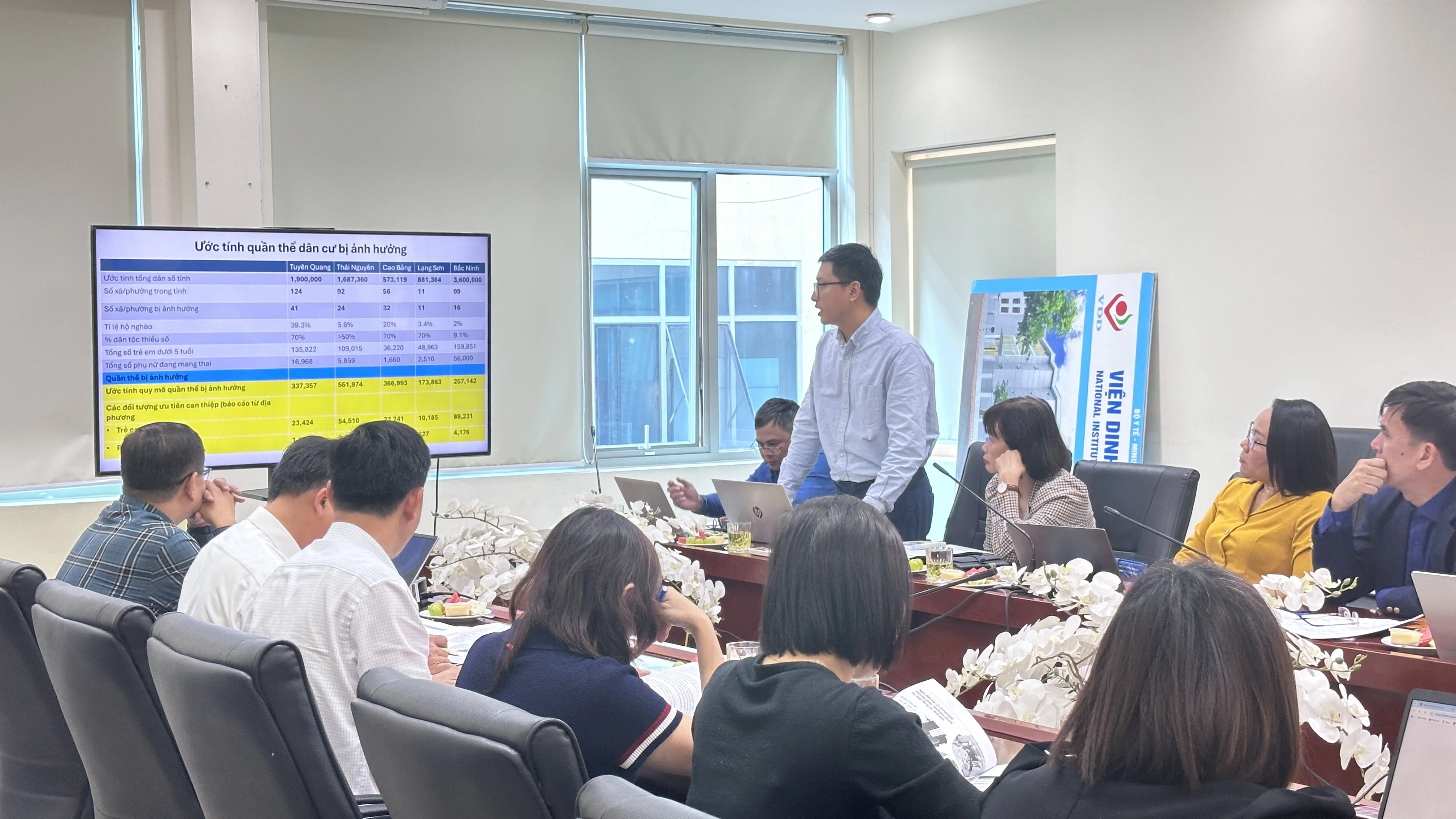
Following the presentation, Dr. Vu Van Tan – Head of the Department of Nutrition Surveillance and Improvement, National Institute of Nutrition, introduced the emergency nutrition intervention plan, which aims to minimize the impact of natural disasters on the nutritional status of mothers and children. The plan focuses on 172 communes across eight severely affected provinces, covering the following key activities:
• Screening for acute malnutrition among children aged 6–59 months, with early detection and treatment.
• Provision of 6,800 cartons of RUTF (Ready-to-Use Therapeutic Food) and 1,800 cartons of SQ-LNS for children at risk.
• Micronutrient supplementation for over 11,000 pregnant women.
• Training provincial and local health workers on emergency nutrition response and treatment of malnutrition.
• Communication campaigns on breastfeeding and nutrition during emergencies.
• Support for household livelihoods and food security through short-cycle vegetable cultivation models and cash assistance for poor households.
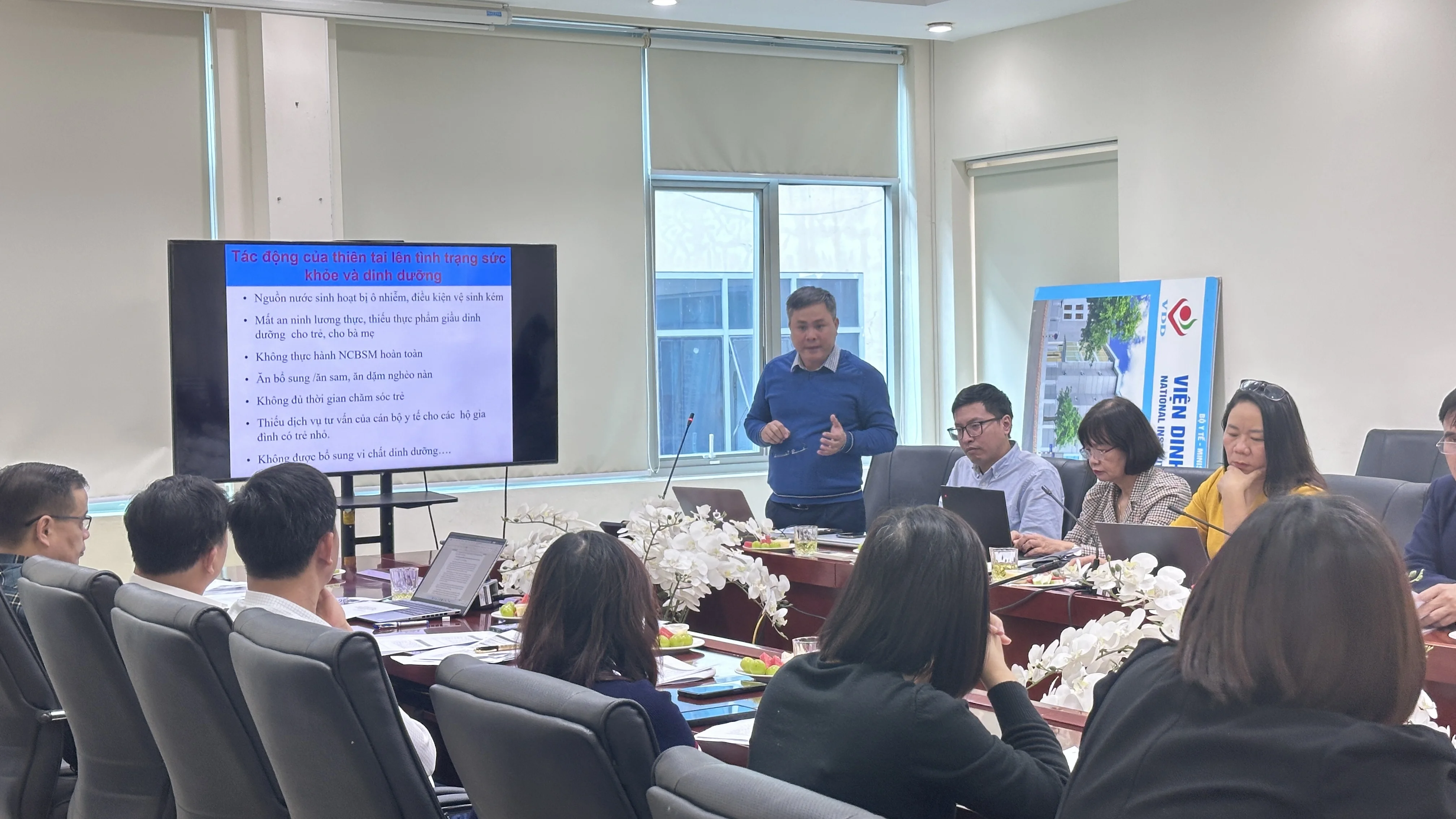
Dr. Tan noted that the Institute has mobilized part of the necessary resources and called on international partners to provide an additional 7,000 cartons of RUTF and 1,500 cartons of SQ-LNS to promptly deploy interventions in priority provinces.
At the seminar, representatives from provincial Centers for Disease Control (CDCs) shared real-world challenges and recovery efforts after the storms.
Mr. Nguyen Duy Hoa – Director of Tuyen Quang CDC reported that two heavily affected communes in Bac Quang District had been rapidly assessed by the field teams. “Many households are facing water shortages, and some children show signs of acute malnutrition requiring urgent treatment,” he said.
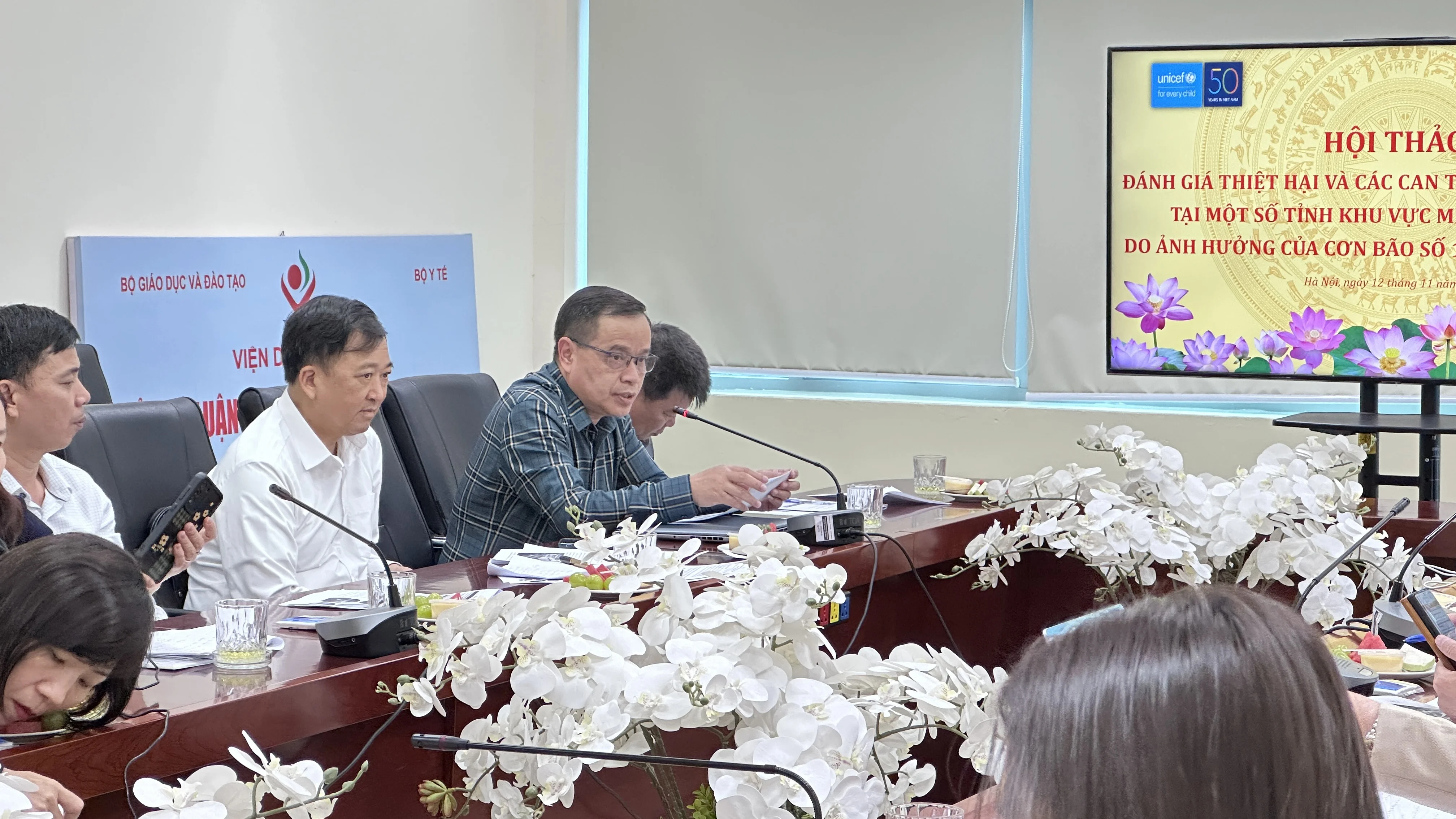
From Bac Ninh, Mr. Le Tien Cuong – Deputy Director of the CDC, noted that while medical teams had conducted health checkups and provided medicines, “there are still no dedicated resources for nutrition support, and most assistance relies on charity donations.”
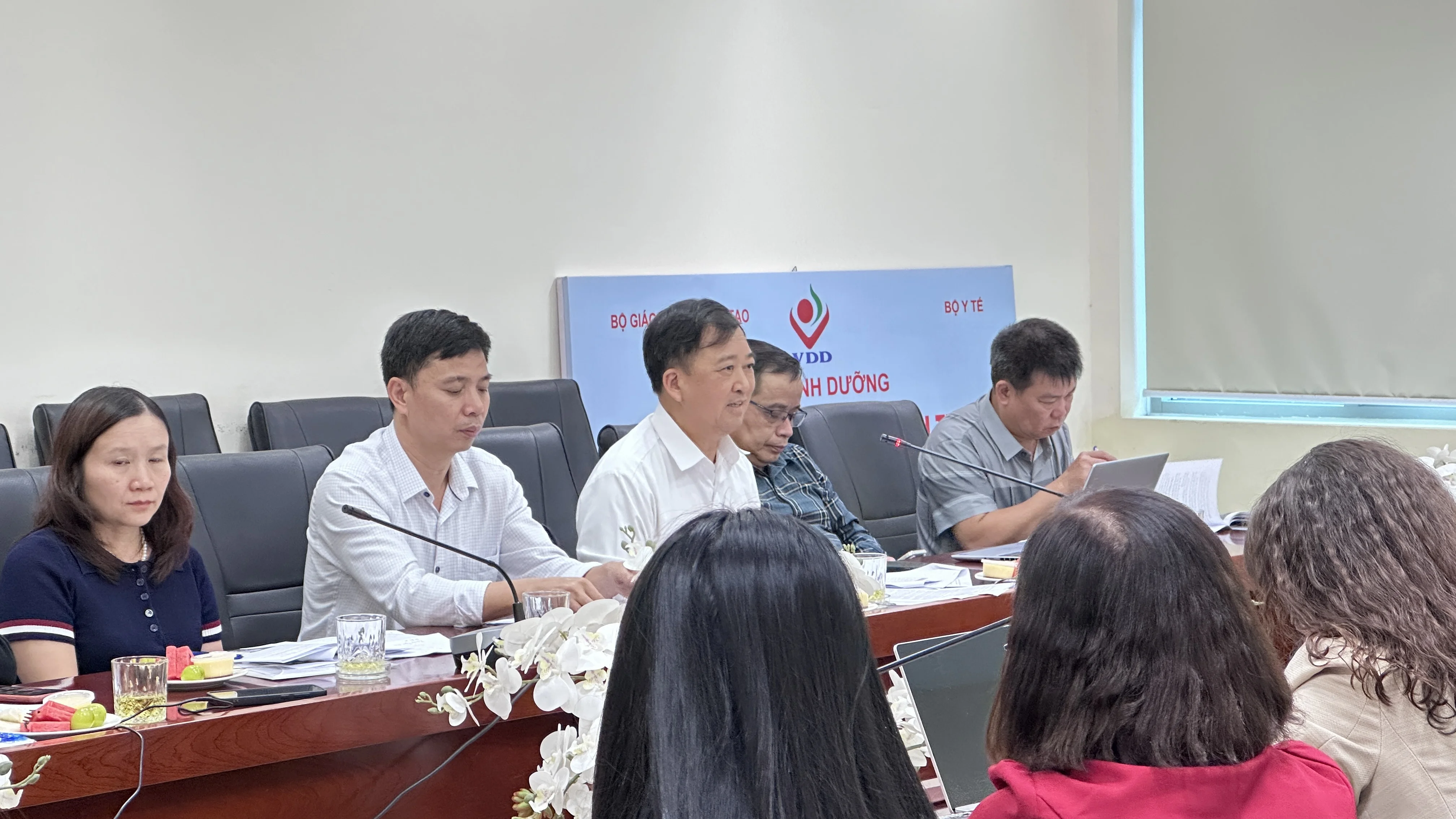
Mrs. Hoang Thi Minh Toan – Deputy Director of Thai Nguyen CDC added that many flooded areas still lack micronutrients and energy-dense nutrition products, while living conditions remain extremely difficult.
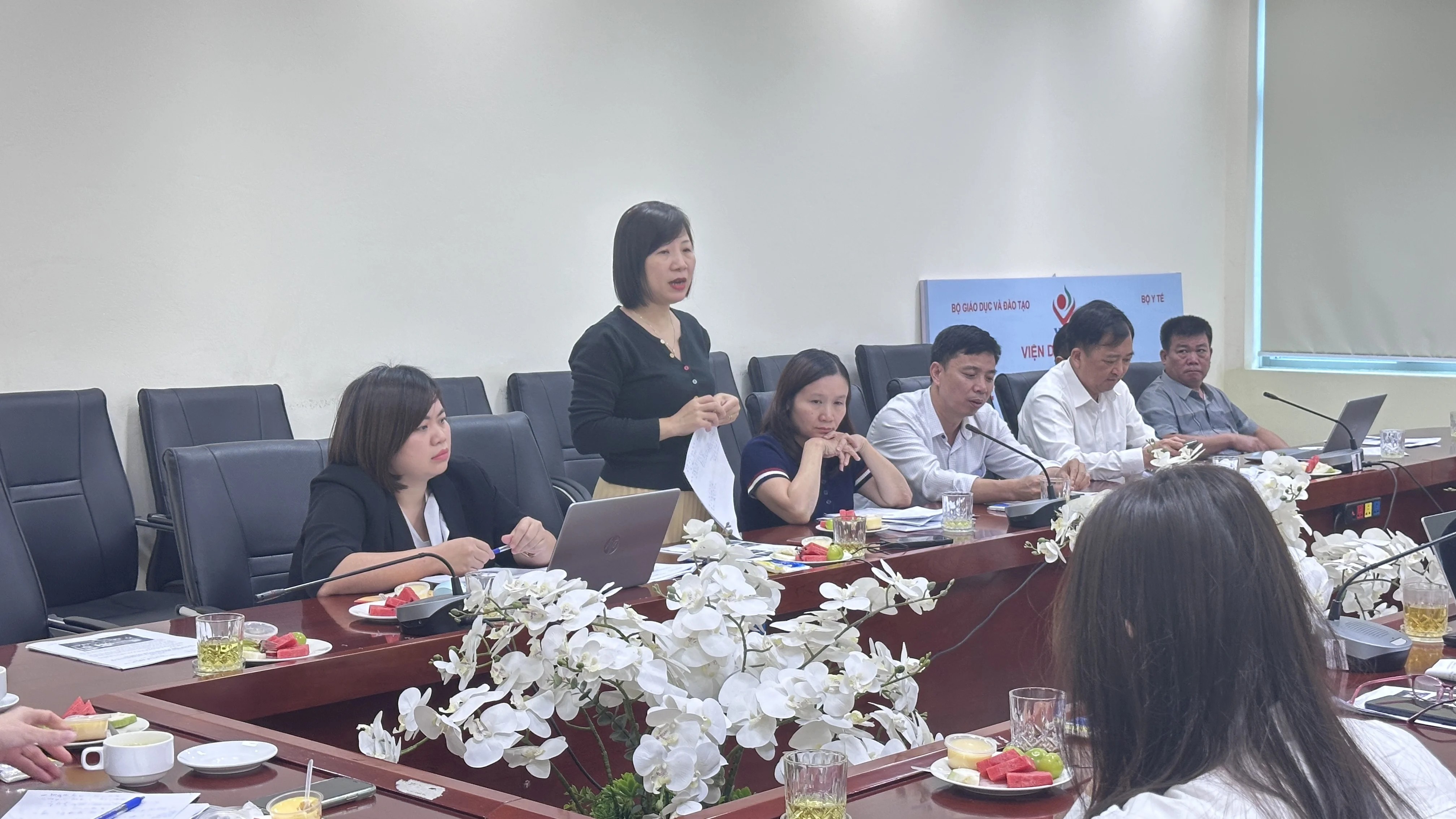
In Cao Bang, Mrs. Be Thi Bach – Director of the CDC, shared that with 95% of the population belonging to ethnic minority groups, “interventions must be culturally appropriate, avoid duplication, and ensure long-term effectiveness.”
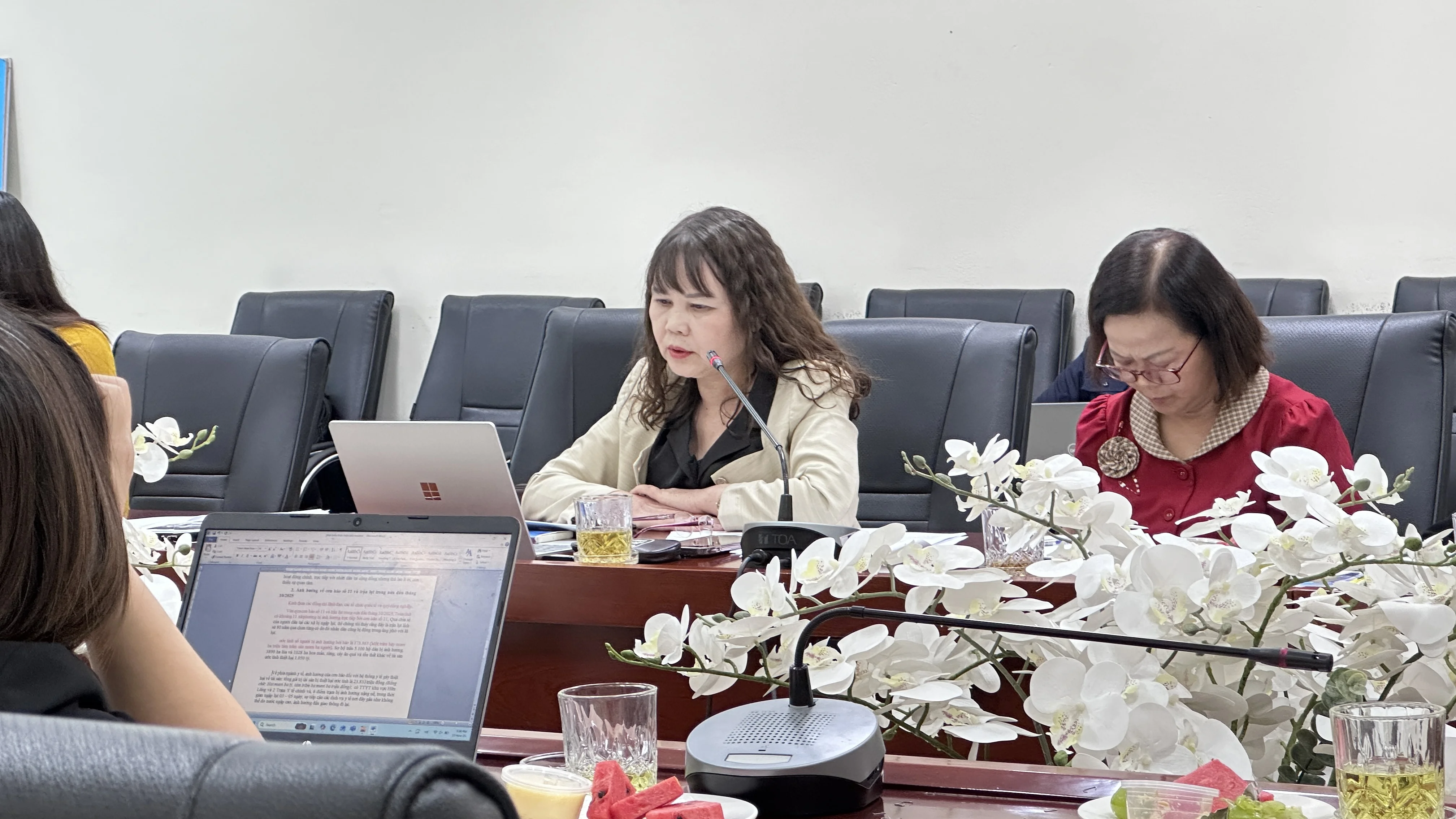
These local reflections painted a clear picture of the real challenges in post-disaster nutrition work and underscored the urgent need for both immediate and long-term nutrition support in the northern mountainous provinces.
Recognizing these efforts, Dr. Nguyen Van Chi – Deputy Director General, Department of Maternal and Child Health (Ministry of Health), emphasized the importance of integrating maternal and child healthcare with nutrition activities at the grassroots level.
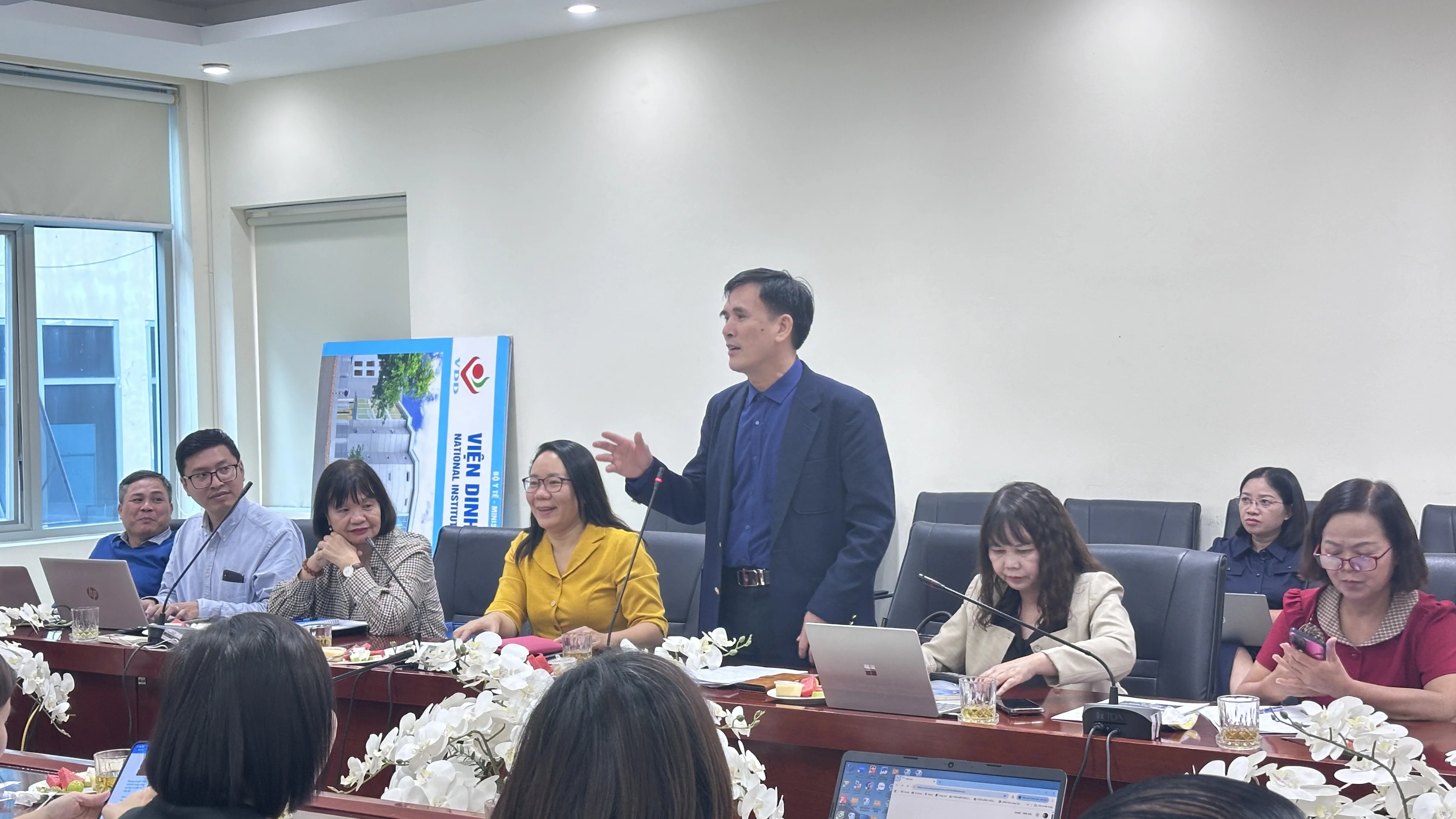
“Micronutrient supplementation, counseling, and nutrition monitoring must be implemented simultaneously and consistently in all emergency situations,” he said.
Dr. Nguyen Thi Hong Diem – Department of Preventive Medicine, added that close coordination between preventive health, environmental health, and nutrition sectors is essential to ensure access to safe water, disease prevention, and community health recovery after disasters.
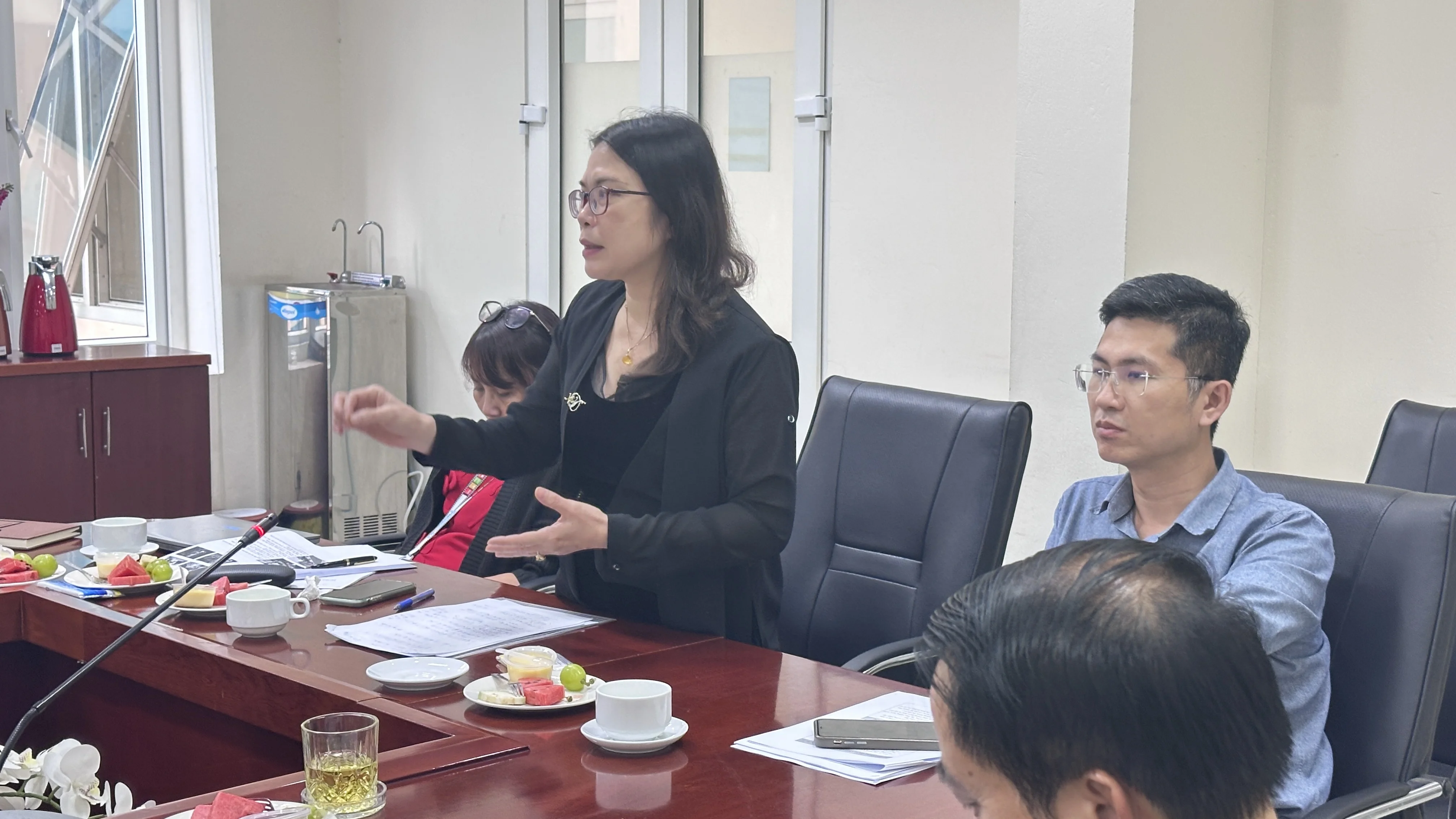
In the same spirit, international organizations reaffirmed their long-term commitment to supporting Viet Nam.
Ms. Do Hong Phuong – Representative of UNICEF Viet Nam, stated that UNICEF will continue to provide micronutrient supplies and specialized nutrition products for children and pregnant women, while partnering with the National Institute of Nutrition to monitor, restore, and strengthen nutrition response capacity at local levels.
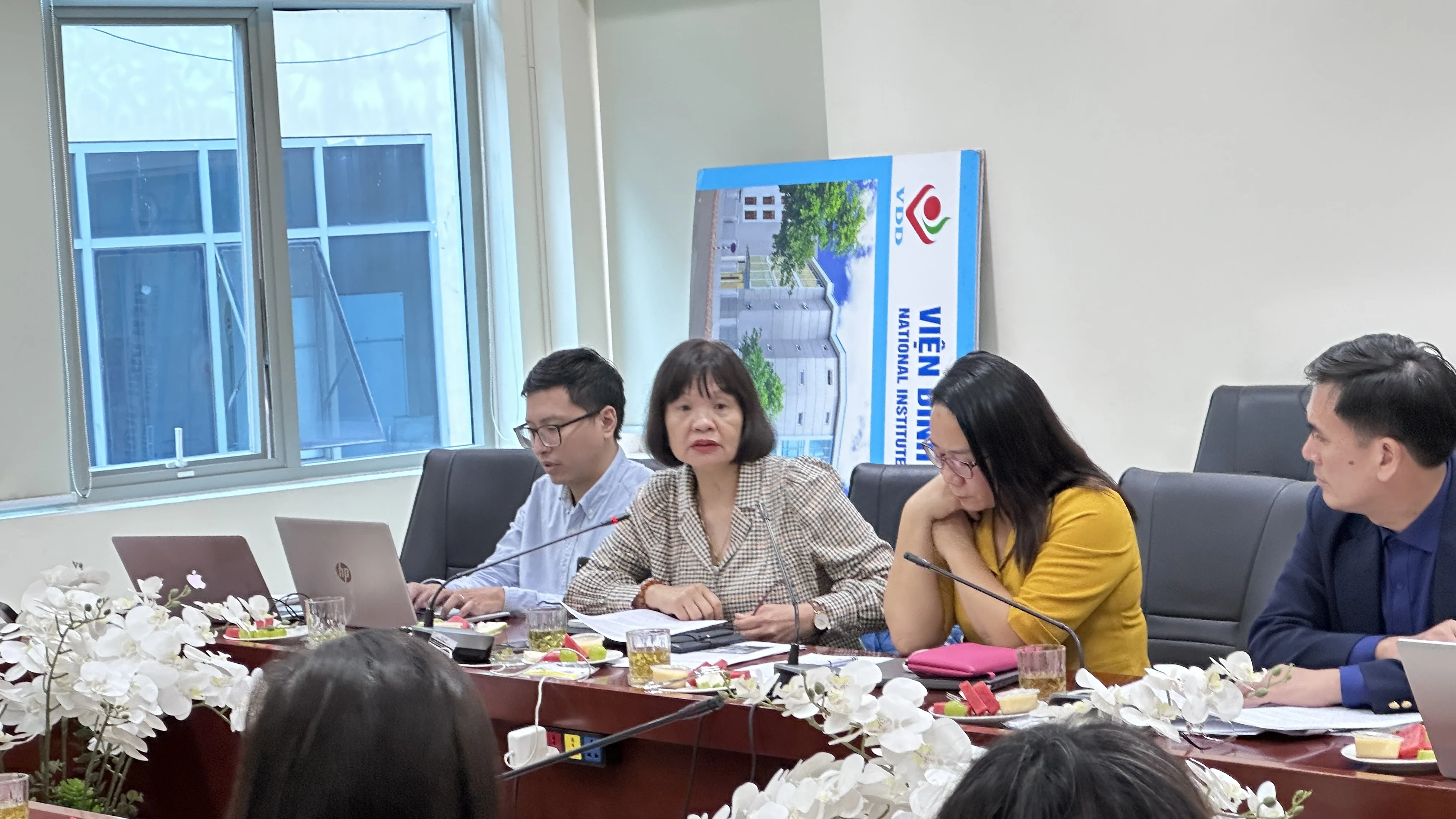
Ms. Pham Thi Quynh Nga – Representative of WHO Viet Nam, affirmed that WHO stands ready to provide technical assistance, emergency food supplies, and training for health staff, with a strong focus on preventing and treating acute malnutrition among children.
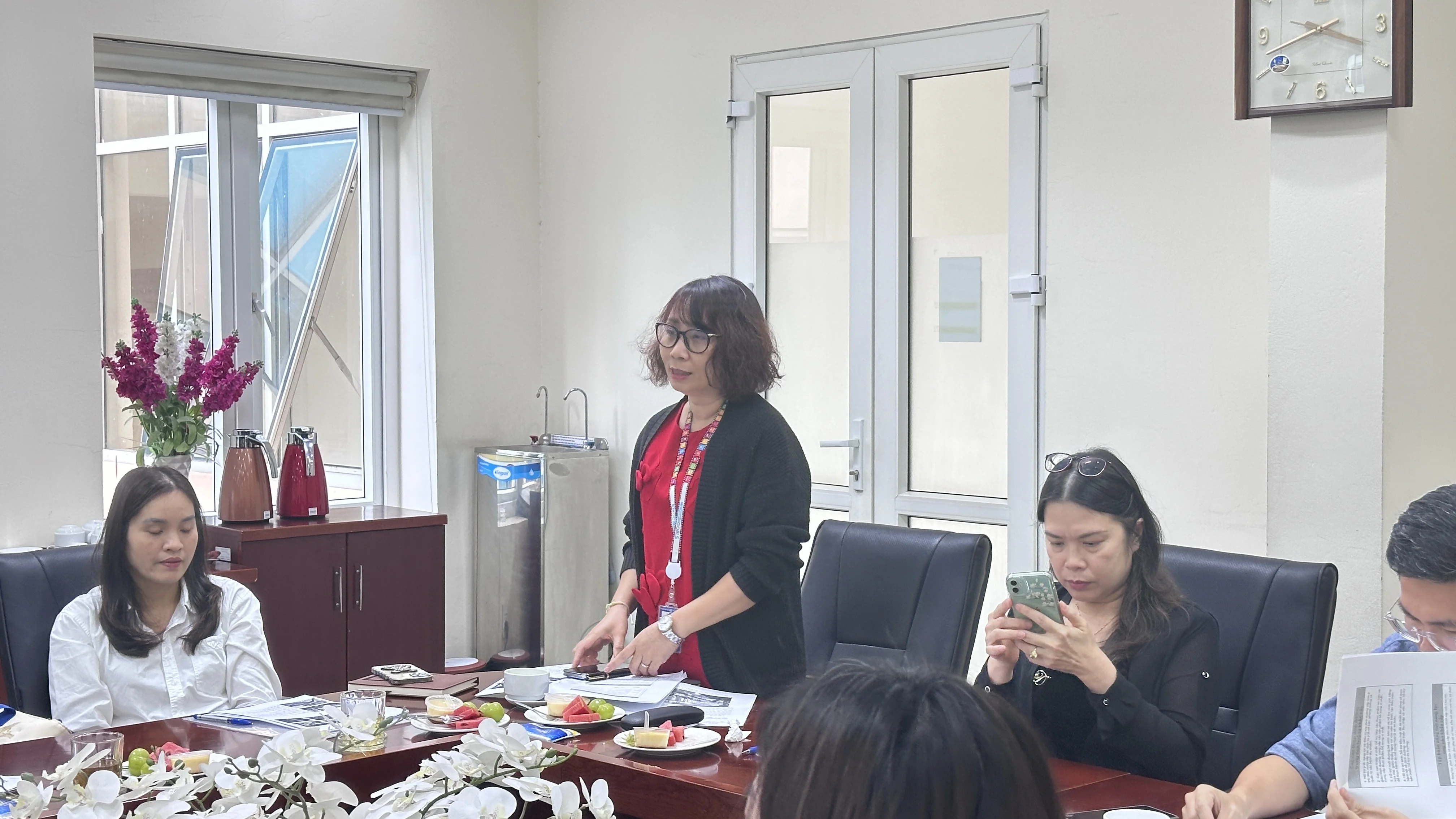
In closing, Assoc. Prof. Dr. Truong Tuyet Mai – Deputy Director General of the National Institute of Nutrition, stressed:
“Emergency nutrition response is not just about immediate reaction; it must be well-prepared in advance. Each province should have a clear contingency nutrition plan, ensuring readiness in human resources, materials, and surveillance systems so that all mothers and children are protected in any disaster situation.”
She urged local authorities to review and propose the inclusion of nutrition content in provincial disaster preparedness plans, while strengthening nutrition surveillance and preventive measures as part of a sustainable community health strategy.
The seminar concluded in a spirit of solidarity and cooperation among national agencies, international organizations, and local authorities, aiming to protect and restore sustainable nutrition for disaster-affected communities.